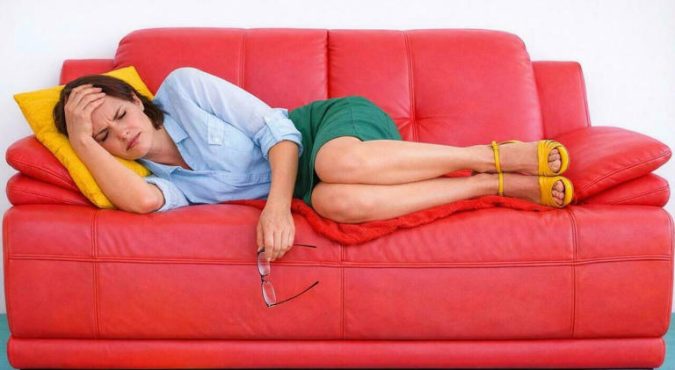
What’s better than an afternoon nap, especially now that the first warm spring breezes are weighing down our eyelids after lunch? But suddenly, to disturb this quiet habit, a scientific publication appears out of the blue, casting the postmeridian “siesta” in a negative light (when associated with other symptoms). With due distinctions, of course. A systematic review published in the journal Sleep Medicine Reviews analyzed data from over 600,000 people, approximately 16,000 of whom had suffered a stroke. And in the game of “spot the differences,” or “identify the risk factor,” a rather peculiar one emerged: the length of the afternoon nap.
The Warning Signs
The risk of stroke appears to increase as the nap lengthens: up to half an hour, there’s no problem (in fact, short, scheduled naps of less than 20–30 minutes are associated with improvements in memory, concentration, and cognitive performance); between 30 and 60 minutes, the risk of stroke begins to moderate, and beyond 90 minutes, the risk increases by 80% compared to those who don’t sleep during the day. Even more insidious appear to be involuntary naps, which are associated with a nearly tripled risk of stroke. An “extended version” nap and a head that drops without warning could be potential warning signs of a stroke. And these are signs to be aware of because, while it’s true that a stroke comes on suddenly, the brain sends out numerous warning signals before the tragic outcome. A stroke builds over time, through its risk factors (high blood pressure, high cholesterol, diabetes, smoking) that work silently for years. Other warning signs to be addressed include chronic stress, sleep disturbances, and persistent fatigue. A.L.I.Ce.Italia Odv (Association for the Fight against Cerebral Stroke) is drawing attention to these subtle but potentially revealing signs during World Brain Awareness Week, which runs until March 22. “Learning to listen to these seemingly trivial signals,” says Andrea Vianello, president of A.L.I.Ce. Italia Odv, “means prevention.” Take stress, for example. In itself, it’s not an absolute enemy; within certain limits, it energizes us and makes us perform better. The problem arises when that mechanism never shuts down, that is, when stress becomes chronic. In this case, the body remains in a constant state of activation. The sympathetic nervous system continues to stimulate the body, stress hormones (cortisol, adrenaline) remain elevated, and the balance of our cardiovascular system slowly but decisively changes.
The Vessels
Over time, all this translates into high blood pressure, stiffer blood vessels, and a persistent state of inflammation. These factors accelerate the processes underlying atherosclerosis and increase the likelihood of blood clots forming. “Chronic stress,” explains neurologist Valeria Caso, head of the Stroke Unit at Saronno Hospital, “shouldn’t be considered just an emotional problem. It’s a persistent biological stimulus that alters the functioning of the cardiovascular system over time. When this imbalance lasts for years, the risk of cerebrovascular events, such as stroke, increases.” If stress “activates” the body, sleep is the time when the body can finally regain its balance. During sleep, crucial processes for vascular health occur: blood pressure drops, sympathetic nervous system activity decreases, and the brain regenerates. But if nighttime sleep is too short, too long, or fragmented, this window of protection is reduced. Numerous observational studies show a curious but consistent relationship: the risk of stroke follows a U-shaped curve. It is lowest when sleeping approximately 7–8 hours a night (the ideal length of nighttime rest), but increases both when sleep is reduced to less than 5–6 hours and when it exceeds 8–9 hours.
The Break
One of the most significant disorders is obstructive sleep apnea, often overlooked and underdiagnosed. Sufferers experience repeated pauses in breathing (apneas) during the night; this causes brief episodes of oxygen deprivation (hypoxia), which correspond to sudden increases in blood pressure. And in the long term, this vascular stress increases the risk of stroke, up to doubling it. In short, the brain tries to warn us long before a stroke occurs. Recognizing the warning signs and combating chronic stress and sleep apnea can make a difference.
Original source of the article: https://www.msn.com/it-it/salute/other/ictus-la-durata-della-siesta-pomeridiana-rivela-la-percentuale-di-rischio-ecco-tutti-i-campanelli-d-allarme/ar-AA1YU4ze?ocid=msedgdhp
Author of the article in Italian: Maria Rita Montebelli
Photocredit: MSN.com